Training resource

Hands-Only CPR

Hands-only CPR is a simplified emergency response that focuses on continuous chest compressions for a person who is unresponsive and not breathing normally.

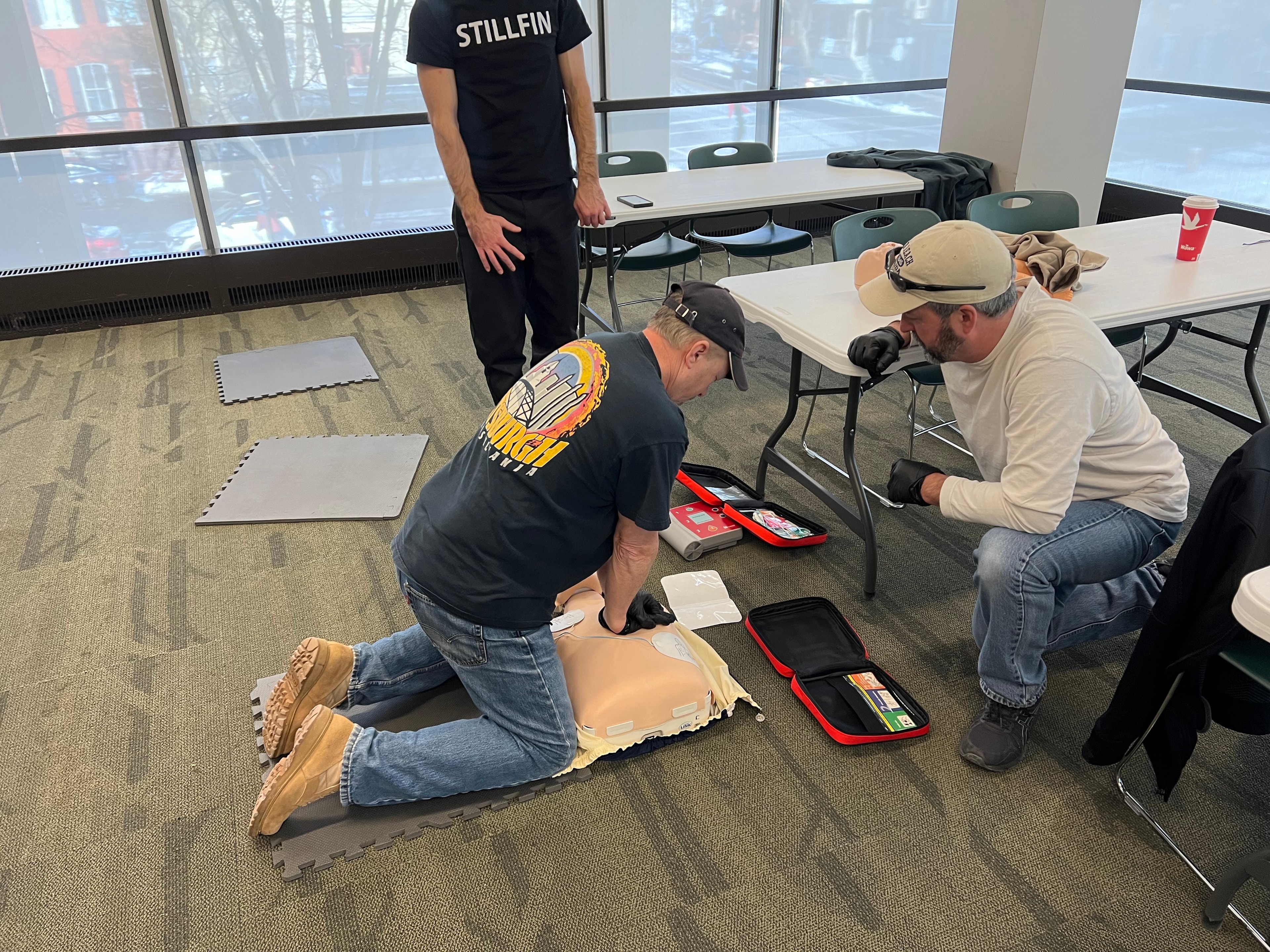
CPR trainee practicing chest compressions during a hands-on class

What hands-only CPR means

Hands-only CPR means giving chest compressions without rescue breaths. It is commonly discussed for sudden collapse in adults and teens when a bystander sees the emergency or finds someone who is unresponsive and not breathing normally.

Calling 911 right away, following the dispatcher’s instructions, and using an AED as soon as one is available are essential parts of an emergency response. This page is educational and does not replace hands-on training or professional medical care.

Why quick action matters

In a suspected cardiac emergency, every minute matters. Prompt recognition, a call to 911, chest compressions, and early AED use can help maintain blood flow while emergency responders are on the way.

A dispatcher can guide a caller through the immediate next steps. If you are unsure what to do, call 911 and follow the instructions you receive.

Common questions and misconceptions

Is hands-only CPR the same as a full CPR course?

No. Hands-only CPR is an emergency-response approach, while a full CPR course can cover additional skills and situations. Training helps you understand when different approaches may apply.

Should I wait until I am certain before calling 911?

No. If someone is unresponsive and not breathing normally, call 911 immediately and follow dispatcher instructions.

Can an AED be used by a bystander?

AEDs are designed to guide users with prompts. Turn the device on and follow its instructions while waiting for emergency responders.

Emergency and educational notice

This resource provides general educational information only. It is not medical advice, a substitute for certified hands-on training, or a replacement for calling 911 in an emergency. Course requirements and guidance can change; confirm the needs of your employer, school, or licensing organization before enrolling.